---
title: Trauma & PTSD EMDR Therapy | Healing Through Eye Movements | Judah Christian Counseling
description: Discover how EMDR therapy helps process traumatic memories, reduces PTSD symptoms, and promotes healing through effective bilateral stimulation techniques at Judah Christian Counseling.
image: https://www.judahchristiancounseling.com/hubfs/Untitled%20design.jpg
---
[Skip to main content](https://www.judahchristiancounseling.com/trauma-ptsd#main-content)
Call us today at [(346) 302-8089](tel:3463028089)
[   ](https://www.judahchristiancounseling.com?hsLang=en)
- Show submenu for Our Practice Our Practice
- [About Us](https://www.judahchristiancounseling.com/about)
- [Fees & Payments](https://www.judahchristiancounseling.com/fees-payments)
- [Good Faith Estimate](https://www.judahchristiancounseling.com/good-faith-estimate)
- [FAQ](https://www.judahchristiancounseling.com/faq)
- [Careers](https://www.judahchristiancounseling.com/careers)
- [Show submenu for Counseling Counseling](https://www.judahchristiancounseling.com/services)
- **Individual**
- [Individual Counseling](https://www.judahchristiancounseling.com/individual-counseling)
- [Sexual Addiction](https://www.judahchristiancounseling.com/sexual-addiction)
- [Bipolar Disorder](https://www.judahchristiancounseling.com/bipolar-disorders)
- [Trauma & PTSD](https://www.judahchristiancounseling.com/trauma-ptsd)
- [See All Services](https://www.judahchristiancounseling.com/services#counseling-filter-1)
- **Group**
- [Couples Counseling](https://www.judahchristiancounseling.com/couples-counseling)
- [Couples Intensives](https://www.judahchristiancounseling.com/couples-intensives)
- [Group Counseling](https://www.judahchristiancounseling.com/group-counseling)
- **Specialized**
- [Online Counseling](https://www.judahchristiancounseling.com/online-counseling)
- [Christian Counseling](https://www.judahchristiancounseling.com/christian-counseling)
- [Supervision](https://www.judahchristiancounseling.com/supervision)
- Show submenu for Resources Resources
- [Get Help Now](https://www.judahchristiancounseling.com/get-help-now)
- [Confidentiality](https://www.judahchristiancounseling.com/confidentiality)
- [Contact](https://www.judahchristiancounseling.com/contact)
Open main navigation
Close main navigation
- Show submenu for Our Practice Our Practice
- Our Practice
- [About Us](https://www.judahchristiancounseling.com/about)
- [Fees & Payments](https://www.judahchristiancounseling.com/fees-payments)
- [Good Faith Estimate](https://www.judahchristiancounseling.com/good-faith-estimate)
- [FAQ](https://www.judahchristiancounseling.com/faq)
- [Careers](https://www.judahchristiancounseling.com/careers)
- Show submenu for Counseling Counseling
- Counseling
- [Counseling](https://www.judahchristiancounseling.com/services)
- **Individual**
- [Individual Counseling](https://www.judahchristiancounseling.com/individual-counseling)
- [Sexual Addiction](https://www.judahchristiancounseling.com/sexual-addiction)
- [Bipolar Disorder](https://www.judahchristiancounseling.com/bipolar-disorders)
- [Trauma & PTSD](https://www.judahchristiancounseling.com/trauma-ptsd)
- [See All Services](https://www.judahchristiancounseling.com/services#counseling-filter-1)
- **Group**
- [Couples Counseling](https://www.judahchristiancounseling.com/couples-counseling)
- [Couples Intensives](https://www.judahchristiancounseling.com/couples-intensives)
- [Group Counseling](https://www.judahchristiancounseling.com/group-counseling)
- **Specialized**
- [Online Counseling](https://www.judahchristiancounseling.com/online-counseling)
- [Christian Counseling](https://www.judahchristiancounseling.com/christian-counseling)
- [Supervision](https://www.judahchristiancounseling.com/supervision)
- Show submenu for Resources Resources
- Resources
- [Get Help Now](https://www.judahchristiancounseling.com/get-help-now)
- [Confidentiality](https://www.judahchristiancounseling.com/confidentiality)
- [Contact](https://www.judahchristiancounseling.com/contact)
- Search
- [Request an Appointment](https://judahchristiancounseling.clientsecure.me)
[Request an Appointment](https://judahchristiancounseling.clientsecure.me)
Search
# Trauma & PTSD
## EMDR vs. Somatic Experiencing
###### EMDR and Somatic Experiencing are both trauma-focused therapies, but they take different paths to healing. EMDR works primarily with the brain and memory, using bilateral stimulation (like eye movements or tapping) to help reprocess traumatic experiences so they no longer feel as overwhelming. Somatic Experiencing, on the other hand, focuses on the body and nervous system, gently guiding you to notice sensations, movements, and emotions in the present moment so your body can release “stuck” survival responses. Both approaches begin with resourcing and building safety, and both can be highly effective—it’s often a matter of which feels like a better fit for your needs and comfort level.

# EMDR Therapy
###### When it comes to trauma, the past doesn’t stay in the past. Distressing and traumatic events have a tendency to get locked in the brain. Unlike normal memory processing, traumatic memories get “stuck” which triggers the fight, flight, or freeze response. EMDR therapy is designed to help the brain’s natural processing mechanisms get trauma memories unstuck and reduce the anxiety produced by the fight, flight, and freeze responses.
### How does EMDR therapy work?
###### In the late 1980s, Dr. Francine Shapiro noticed that if she thought about disturbing memories while walking through the woods, the memories would dissipate on their own. Eventually, Shapiro realized that while on her walk her eyes were moving side to side. When she replicated the experience she felt like the disturbing memories would bother her less and less the next time they came to mind. Shapiro began experimenting with her discovery and soon Eye Movement Desensitization and Reprocessing (EMDR) therapy was born.
#### EMDR therapy is mostly used to treat Post-Traumatic Stress Disorder (**PTSD**), which occurs when one is unable to process and recover from a traumatic experience.
###### PTSD can result from a number of distressing events such as being confronted by a violent crime, experiencing an accident, or being a victim to physical, emotional, or sexual abuse. Such powerful experiences are stored in the brain with the original picture, feelings, body sensations, sounds, and thoughts. Once such a memory is stored in your long-term memory it can bother you for a long time.
###### Even years after the original incident, those with PTSD may experience flashbacks to the traumatic event, have sleep and concentration problems, have persistent feelings of anger and shame, and experience heightened arousal. The disturbing memory keeps coming back unintentionally with feelings of powerlessness or believing you are not worthwhile.
#### As the name suggests, EMDR uses side to side eye movements and other forms of bilateral stimulation (such as by holding a special device that uses tactile simulation via vibrating pulsers) to reduce PTSD symptoms.
###### At first, your therapist will ask you to activate the traumatic memory from your long-term memory by recalling the sights, thoughts, and emotions from that event. This now places the memory in your short-term memory, which is also called the “working memory.” Your therapist will then ask you to focus on this distressing event while using bilateral stimulation. By keeping a traumatic memory in your mind while also experiencing bilateral stimulation, the working memory is forced to process a lot of information all at the same time. As this to too much information to keep going all at once, this forces the traumatic memory to become ‘blurred” and it looses its emotional charge. With a lower emotional charge it also becomes easier to think differently about the traumatic experience. The intrusions lessen and you feel less anxious, less depressed, get better sleep, and are able to start looking forward toward the future.
###### Using EMDR to reprocess these memories is not about guiding your thoughts. It's not talk therapy. This natural process lets your brain figure it out and take the lead. It involves holding the traumatic memory in your mind and simply noticing your response. The goal is to allow the brain to connect the memories to a new, more positive cognition.
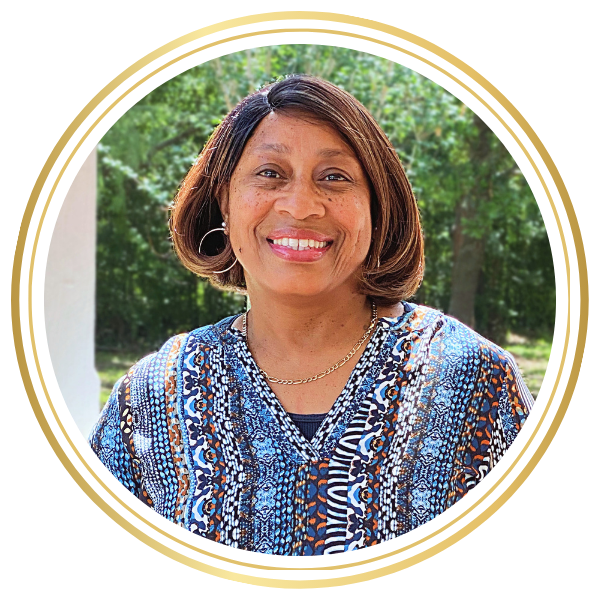
## Counselors who offer EMDR therapy:
[.png?width=1000&height=1000&name=Square%20Images%20-%20Judah%20Christian%20Counseling%20(1).png)](https://www.judahchristiancounseling.com/c.-huston-mccomb-jr?hsLang=en)
[](https://www.judahchristiancounseling.com/kimberly-daigle?hsLang=en)
[](https://www.judahchristiancounseling.com/serintha-breland?hsLang=en)
# Somatic Experiencing: Healing Through the Body
###### Have you ever felt like your body remembers things your mind has long tried to forget? Maybe it’s the racing heart that shows up out of nowhere, the tension in your shoulders that never seems to leave, or the way you suddenly go numb when you’re overwhelmed. These experiences aren’t random—they’re the body’s way of holding on to stress or trauma that hasn’t yet been released.
###### Somatic Experiencing, often called SE, is a therapeutic approach created by Dr. Peter Levine that helps people gently let go of this stored stress. Instead of focusing only on talking through the past, SE pays attention to the nervous system and the body’s natural signals. The idea is simple but powerful: trauma isn’t just a story we carry in our minds, it also lives in our bodies.
### What Somatic Experiencing Can Help With
###### SE can be especially helpful for people who feel “stuck” in cycles of anxiety, hypervigilance, or emotional shutdown. Many clients come in after experiencing trauma, loss, or overwhelming stress, but SE also supports those living with chronic tension, pain that seems connected to stress, or a lingering sense of disconnection. It’s not just for “big” traumas—SE can also help untangle the smaller, cumulative stresses that weigh us down over time.
### How it Works
###### One of the unique aspects of Somatic Experiencing is the way it helps us track experiences through five key channels, known as SIBAM: sensation, imagery, behavior, affect, and meaning. In a session, you might start by noticing a simple sensation—like warmth in your chest or tightness in your stomach. From there, imagery might arise, perhaps a picture, color, or metaphor that represents how you feel. Behavior comes when your body shows small impulses—maybe you want to stretch, shift, or take a deeper breath. Affect refers to the emotions that begin to surface, often more gently than expected. Finally, meaning develops as you reflect on what these experiences show you and how they fit into your healing. SIBAM isn’t a rigid formula but more of a map, helping you move through layers of experience at a pace that feels safe. What often surprises people is that SE doesn’t require retelling or reliving painful memories. Instead, the process allows your nervous system to complete what it couldn’t finish in the moment of overwhelm, gradually restoring balance and resilience.
### What a Session Feels Like
###### An SE session tends to be quiet, gentle, and collaborative. You and your therapist might begin with a simple check-in about how you’re doing and then follow what unfolds in your body. The therapist might invite you to notice a particular sensation, slow down enough to track what happens next, or guide you toward grounding if things feel intense. Sessions move back and forth between moments of challenge and moments of ease, helping your body learn that it can shift naturally from stress back into calm.
### Moving Toward Healing
###### At its heart, Somatic Experiencing is about helping you reconnect with your body’s natural wisdom. It’s a way of reclaiming safety, presence, and vitality without having to push or force the process. Over time, SE can open the door to more ease in your body, more balance in your emotions, and a deeper sense of being at home in yourself.
## Counselors who offer Somatic Experiencing Therapy:
[](https://www.judahchristiancounseling.com/kimberly-daigle?hsLang=en)
## Comprehensive Counseling
###### We provide a wide range of services, including individual, couples, and family counseling, as well as support for trauma, addiction, and mental health challenges. Our services are designed to meet you where you are and guide you toward lasting growth and healing.
[Book a Session](https://judahchristiancounseling.clientsecure.me/)

**ADDRESS:**
###### 2947 Broadway St. Suite 100
###### Pearland, TX 77581
**PHONE:**
###### [346-302-8089](tel:3463028089)
**EMAIL:**
###### [counseling@judahchristiancounseling.com](mailto:counseling@judahchristiancounseling.com)
**HOURS OF OPERATION:**
###### Monday - Friday, from 8:00 am to 8:00 pm
# Get in Touch
###### Whether you’re ready to schedule an appointment or have questions about our services, we’d love to hear from you.
---
## Visit Us
###### Judah Christian Counseling & Recovery is located in the business park at 2947 E. Broadway St., Suite 100, Pearland, TX 77581. Our office is in its own suite with our own parking lot behind the front of the building. When coming from Broadway St., turn north onto Westminister Rd. at the light and the entrance to our parking lot will be on your right.
# Find the Right Counselor for You
###### Use our filter below to discover which counselors may be the best fit for your needs.
***Please Note:** Couples and family counseling sessions are not eligible for insurance billing and are available as private-pay services only.*
Client Age Children Up to 9 Adolescents 10-13 Teens 14-17 Adults 18 and Up
Services Abuse Anger Management Anxiety ADHD ART Therapy Behavioral Addictions Bipolar Disorder Borderline Personality Breath Work Career Counseling Caregiver Support Codependency Compassion Fatigue Coping Skills Couples Divorce Depression Doubt Dual Diagnosis Eating Disorder EMDR Therapy Emotional Regulation Families Female Issues Grief & Loss Group Healthy Relationships IFS Therapy Infidelity Interpersonal Relationships Internet Addiction Life Transitions Male Issues Marital and Premarital Mindfulness OCD Relationship Issues Schizophrenia Scrupulosity Self & Co-Regulation Self-Esteem Sex/Porn Addiction Sexual Abuse Sexual Identity Spirituality Stress & Burnout Substance Abuse Suicidal Ideation Trauma & PTSD Unwanted Sexual Compulsive Behaviors
Availability Online In Person
Payment Options Cash Pay Curative Tricare Magellan United Healthcare - Optum Optum UBH Optum All Savers Optum Golden Rule Optum Oscar Optum UMR Optum GEHA OPTUM Surest Aetna Aetna Meritain Blue Cross Blue Shield BCBS Anthem Cigna Memorial Hermann
[.png?width=1000&height=1000&name=Square%20Images%20-%20Judah%20Christian%20Counseling%20(1).png) .png?width=1000&height=1000&name=Square%20Images%20-%20Judah%20Christian%20Counseling%20(1).png) Huston McComb](https://www.judahchristiancounseling.com/c.-huston-mccomb-jr?hsLang=en)
[  Kimberly Daigle](https://www.judahchristiancounseling.com/kimberly-daigle?hsLang=en)
[  Shanese Sly](https://www.judahchristiancounseling.com/shanese-sly?hsLang=en)
[  Dr. Linda Colbert](https://www.judahchristiancounseling.com/dr-linda-colbert?hsLang=en)
[  Lemuel Odom](https://www.judahchristiancounseling.com/lemuel-odom?hsLang=en)
[  Nicole Silvas](https://www.judahchristiancounseling.com/nicole-silvas?hsLang=en)
[.png?width=800&height=800&name=Square%20Images%20-%20Judah%20Christian%20Counseling%20(25).png) .png?width=800&height=800&name=Square%20Images%20-%20Judah%20Christian%20Counseling%20(25).png) Leticia Gracia (Español)](https://www.judahchristiancounseling.com/leticia-gracia?hsLang=en)
### Insurance & Coverage Inquiries
Insurance coverage changes frequently. If you don’t see your provider listed or have questions about coverage, contact us—we’re happy to help!
# Ready to schedule?
###### Take the first step toward healing and growth by connecting with one of our compassionate counselors. Whether you prefer in-person sessions or the convenience of virtual counseling, we’re here to support you on your journey.
[Request an Appointment](https://judahchristiancounseling.clientsecure.me)
[Find the Right Counselor](https://www.judahchristiancounseling.com/about?hsLang=en)
[.svg)](https://www.judahchristiancounseling.com?hsLang=en)
- [Careers](https://www.judahchristiancounseling.com/careers)
- [About](https://www.judahchristiancounseling.com/about)
- [Counseling](https://www.judahchristiancounseling.com/services)
- [Contact](https://www.judahchristiancounseling.com/contact)
2947 E. Broadway St., Suite 100 Pearland, TX 77581
©2026 Judah Christian Counseling & Recovery, PLLC
-
-
-